Tips for Preventing Chipped Teeth
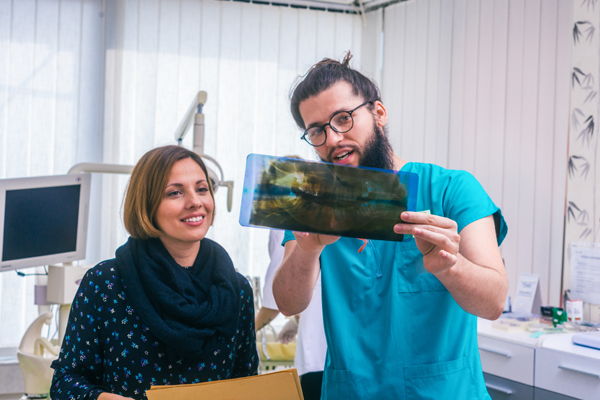
Having a chipped tooth is not something that anyone wants to deal with. It can be problematic because of the treatment required. Additionally, having a chipped tooth can be painful and make it challenging to eat and even speak like normal. Fortunately, there are a plethora of resources that people can use in order to treat and fix a chipped tooth. Dentists also have many prevention tips to offer. Keep reading to find out more!
Chipped tooth prevention
Here are a few tips that patients can utilize when trying to prevent their teeth from chipping. Review these to ensure good oral health.
Avoid certain foods
One of the most common reasons that teeth become chipped is when the person eats foods that are too hard, chewy, or sticky. All these foods put the teeth at risk of becoming chipped. While the teeth are solid and durable, they are not indestructible. Therefore, it is necessary for patients to be cautious with what they eat. Avoiding foods with bones, tough jerky products, and candy like toffee and taffy, as just a few examples, can help prevent a chipped tooth.
Practice good oral hygiene regularly
Avoiding a chipped tooth can be done by practicing good oral hygiene on a regular basis. This means every day or for some people, multiple times throughout the day. Generally speaking, chipping a tooth is less likely if one brushes at least once a day or after every meal. Additionally, patients are advised to floss at least once a day to ensure that food debris does not get left behind, which can weaken the enamel, ultimately making the teeth more prone to chipping.
Visit the dentist on a regular basis
Maintaining regular dental appointments is a great way to prevent a chipped tooth. On average, dental checkups are recommended twice a year or every six months. This ensures that the dentist is given the opportunity to check for any warning signs that might indicate that the teeth or gums are in bad shape, which could ultimately cause a chipped tooth.
During the appointment, the dentist will closely examine the oral cavity to check for these warning signs. Then, if any action is required, a treatment plan will be put in place. If nothing requires treatment, specific prevention actions can be taken, such as placing sealants or doing fluoride treatments.
Talk with an endodontist today
If you are looking for more ways to avoid having chipped teeth, you should consult with a dental specialist today. Endodontists can be especially helpful because they specialize in root canals, a procedure that is often required to deal with severely chipped teeth. Separately, endodontists can help provide resources to those who want or desire prevention tips.
To find out more, reach out today so we can get you scheduled for an appointment. We would also be more than happy to answer any questions that you may have or address any of your concerns.
Request an appointment here: https://www.advancedendotherapy.com or call Advanced Endodontic Therapy at (402) 403-6988 for an appointment in our Omaha office.
Check out what others are saying about our dental services on Yelp: Emergency Endodontist in Omaha, NE.
Related Posts
Sudden dental discomfort from cracked teeth can disrupt your entire day and leave you searching for relief. While an emergency visit with an endodontist can repair the issue, several safe at-home strategies can help manage your pain while you wait for your appointment. The following guide provides endodontist-approved tips to protect your tooth and ease…
Root canal therapy can keep your damaged tooth intact. This procedure may scare many people because of its invasive nature. Even so, it can provide immediate relief and prevent tooth loss. Here are some tips to prepare yourself for your upcoming root canal therapy.Research shows that many people do not like to have root canal…
An endodontist is a dental specialist who has received additional training in the diagnosis of tooth pain and performing root canals and other treatments that deal with the interior structures of the tooth. Endodontists are referred to as specialists in saving teeth because the treatments provided can often save diseased or damaged teeth that may…
A non-surgical root canal helps preserve a tooth when the inner pulp becomes inflamed or infected. This type of treatment removes harmful bacteria without the need for surgery, making it a reliable option for preserving natural teeth. The non-surgical root canal process focuses on cleaning, disinfecting, and sealing the inside of the tooth to prevent…