What Is a Non-Surgical Root Canal?
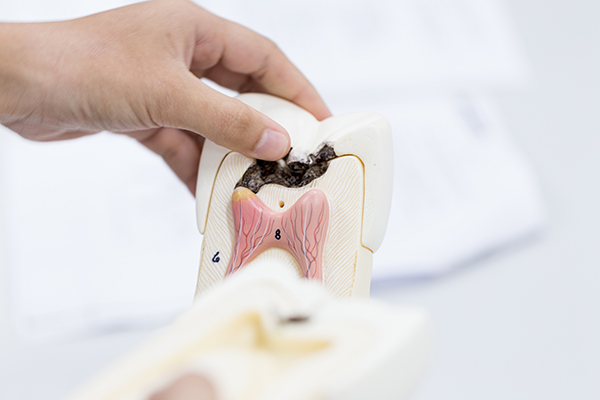
A non-surgical root canal is an endodontic procedure known for preserving a tooth affected by severe decay, infection, or trauma, all without incisions in the gum tissue. Many patients become anxious when they hear the term "root canal," yet modern techniques can provide a gentler experience than expected. Endodontists often recommend this treatment when a cavity or injury reaches the deeper layers of a tooth, causing significant pain. By maintaining the natural tooth structure, there is less risk of complications linked to extractions, such as shifting teeth and bone deterioration.
How non-surgical root canal works
An endodontist typically starts by reviewing X-rays or digital images to determine how far decay or damage has reached. Local anesthesia numbs the affected area to minimize discomfort. Next, the endodontist creates a small access point on the tooth's surface to reach the pulp chamber. Specialized instruments remove the infected pulp, followed by careful cleaning, shaping, and disinfecting of the canals to eliminate bacteria.
After preparing the canals, the endodontist uses gutta-percha to fill and seal them, preventing bacteria from returning. They then close the with a filling, which keeps contaminants from re-entering. However, if the tooth has been weakened, the endodontist will recommend a crown to protect the structure from fractures. Since they make no incision in the gum tissue, most patients experience a fast recovery with minimal swelling compared to surgical alternatives.
Key benefits of a non-surgical root canal
A main advantage of a non-surgical root canal is that it allows the tooth to remain in place, helping to avoid bite problems that sometimes occur when a tooth is extracted. Missing teeth may cause neighboring teeth to shift, potentially leading to misalignment and the need for bridges or implants. Treating the internal section of the tooth addresses the source of infection while preserving healthy dental structures. Removing any inflamed or infected pulp helps the patient feel significant relief. Another benefit is the lower risk of post-operative complications since the procedure avoids cutting into the gums.
Aftercare and general maintenance
Following a non-surgical root canal, consistent care is crucial for long-term success. Brushing at least twice daily and flossing removes plaque and food particles that increase the risk of future decay. An antibacterial mouth rinse may provide an extra layer of protection by reducing harmful bacteria in the mouth.
Further, regular dental checkups are essential, as they allow an endodontist or dentist to monitor the restored tooth's condition and identify any early signs of trouble. If the endodontist places a temporary filling, steering clear of especially hard or sticky foods helps keep it intact. After the endodontist places a permanent filling or crown, the tooth functions as before treatment.
Schedule a consultation
A non-surgical root canal offers a reassuring, minimally invasive solution for anyone with deep tooth decay or damage. By eliminating infected pulp, disinfecting the canals, and sealing them, this procedure tackles discomfort at its source. If you are experiencing severe decay or an infection in a tooth, this procedure may be for you. Contact Advanced Endodontic Therapy to schedule a consultation.
Request an appointment here: https://www.advancedendotherapy.com or call Advanced Endodontic Therapy at (402) 403-6988 for an appointment in our Omaha office.
Check out what others are saying about our services on Yelp: Non-Surgical Root Canal in Omaha, NE.
Related Posts
Having an endodontic emergency is always a cause for panic, especially if you have a dental infection. The pain alerts you to see an endodontist right away. Trauma or decay can cause dental infection. If you want to know when you should come in for a tooth infection as an endodontic emergency, here are the…
An abscessed tooth shows when you have intense tooth pain. Seeing your endodontist right away is the right thing to do. Dismissing it will only give bacteria more time to damage your tooth. The infection could spread to the surrounding tissues and teeth. If you want to understand an abscessed tooth’s symptoms and dangers, here…
Your endodontist can perform root canal therapy to maintain your natural dental structure. First, the dentist will remove the infected pulp. Next, the weakened tooth will need a replacement dental structure, which is when the tooth will get a permanent filling. If you want to know why an endodontist places a permanent filling during a…
Your endodontist may suggest endodontic microsurgery after your root canal. This can happen if your dental decay or dental trauma has resulted in deeper tissue and dental damage. In this case, non-surgical removal of the pulp is not enough anymore. You will need to go through surgery. If you want to know what endodontic microsurgery…