Why Root Canals Are an Effective Tooth Infection Treatment
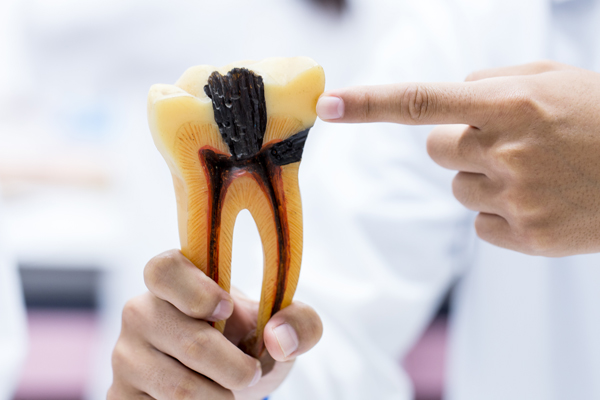
Tooth infection treatment can ease pain and preserve the smile. Root canal therapy is one of the most effective ways to address severe tooth infections that have reached the inner pulp of the tooth. By removing the infection, cleaning the canal, and sealing the tooth, this procedure not only relieves pain but also prevents further damage. With prompt tooth infection treatment, patients can keep their natural teeth and continue smiling confidently.
When infection compromises a tooth
A tooth infection occurs when bacteria enter the inner portion of the tooth, known as the pulp. This can happen as a result of deep decay, a crack, or trauma to the tooth. Once the tooth’s pulp becomes infected, pain and swelling follow. Pus may start to build up, as well.
The presence of an infection compromises the tooth's structural integrity, and without intervention, the infection can worsen, spreading through the root to other areas of the mouth and jaw. While antibiotics may help control the infection temporarily, the bacteria may remain inside the tooth. An endodontist may then be able to perform a root canal to eliminate the infection completely.
Why root canals are an effective tooth infection treatment
Root canal therapy is a well-established treatment for tooth infections when performed by an endodontist. To perform a root canal, the endodontist first removes the infected pulp from inside the tooth, which is why the treatment is so effective. Next, they clean the canal to get rid of any remaining bacteria. The last step is to fill the tooth with gutta-percha, a rubberlike material, to seal it against reinfection. If a significant amount of the tooth had to be removed, the endodontist may cap the tooth with a dental crown to restore its strength, shape, and appearance.
This common tooth infection treatment not only stops the infection but also helps preserve the tooth itself, which would otherwise need to be pulled. The endodontist will perform the procedure with the use of local anesthesia (and sometimes other pain management methods) so that it is pain-free for the patient. Many patients find that after a root canal, they experience notable long-term pain relief and can return to normal daily activities with a restored, healthy tooth.
Restoring the tooth after tooth infection treatment
Once the root canal is complete and the infection is cleared, restoring the tooth is the next step. As mentioned, the endodontist may recommend a crown to protect and restore the tooth’s shape and function. There are several types of crowns available, such as porcelain for a natural look, metal for strength, and porcelain-fused-to-metal (PFM) for a combination of durability and aesthetics. An endodontist can recommend a crown type according to the patient’s needs and preferences.
Need help with an infected tooth?
With a root canal, an endodontist can address the infection at its source and preserve the natural tooth structure. To learn more about this common tooth infection treatment, contact our Omaha team. We can also help you explore other potential treatment options.
Request an appointment here: https://www.advancedendotherapy.com or call Advanced Endodontic Therapy at (402) 403-6988 for an appointment in our Omaha office.
Check out what others are saying about our dental services on Yelp: Tooth Infection Treatment in Omaha, NE.
Related Posts
Sudden dental discomfort from cracked teeth can disrupt your entire day and leave you searching for relief. While an emergency visit with an endodontist can repair the issue, several safe at-home strategies can help manage your pain while you wait for your appointment. The following guide provides endodontist-approved tips to protect your tooth and ease…
Root canal therapy can keep your damaged tooth intact. This procedure may scare many people because of its invasive nature. Even so, it can provide immediate relief and prevent tooth loss. Here are some tips to prepare yourself for your upcoming root canal therapy.Research shows that many people do not like to have root canal…
An endodontist is a dental specialist who has received additional training in the diagnosis of tooth pain and performing root canals and other treatments that deal with the interior structures of the tooth. Endodontists are referred to as specialists in saving teeth because the treatments provided can often save diseased or damaged teeth that may…
A non-surgical root canal helps preserve a tooth when the inner pulp becomes inflamed or infected. This type of treatment removes harmful bacteria without the need for surgery, making it a reliable option for preserving natural teeth. The non-surgical root canal process focuses on cleaning, disinfecting, and sealing the inside of the tooth to prevent…